Walking around London, especially in busy areas like Covent Garden, Notting Hill, or Camden, you’ve probably noticed something: finding a clean, safe, and well-maintained public bathroom can feel like a treasure hunt. For parents with young kids, teens out with friends, or anyone who’s ever been caught off-guard by an urgent need, the search isn’t just inconvenient-it’s stressful. That’s why a growing number of locals and visitors are turning to something unexpected: the Girls Bathroom Tour London.
This isn’t a guided tour of fashion boutiques or rooftop bars. It’s a grassroots movement-mostly shared through Instagram, TikTok, and local Facebook groups-where women and caregivers rate, review, and map out the best public restrooms in the city. Think of it as a survival guide for anyone who’s ever panicked in a Tube station, only to find a broken lock, no soap, or a floor covered in puddles.
Why the Bathroom Tour Started
The trend didn’t come from a marketing campaign. It started with a mom in East London who posted a simple photo of a spotless, well-stocked restroom in a community center near Hackney Central. She wrote: “Found it. No lines. Paper towels. And the soap smells like lavender.” Within 48 hours, over 200 people replied with their own finds. One comment said, “I’ve been using this since my daughter was two. I’d rather walk 10 minutes than risk a meltdown in a grimy station toilet.”
It clicked. London’s public restrooms are a mess. According to Transport for London’s 2024 report, only 37% of Tube station toilets are open daily, and fewer than half of those have working hand dryers. Many have been closed since 2020 due to budget cuts and vandalism. Meanwhile, cafés and shops often refuse entry to non-customers-even if you’re holding a toddler or have a medical condition.
So people started sharing. Not just locations. Ratings. Notes. “Has baby changing,” “Free soap,” “No loiterers,” “Open until 10pm.” The Girls Bathroom Tour London became less about luxury and more about dignity.
Top 5 Spots on the Tour
Here are the five most consistently praised spots that show up again and again in the community maps:
- Victoria and Albert Museum (South Kensington) - Clean, spacious, with baby changing stations, automatic doors, and a staff member on duty during opening hours. The only downside? You need to enter the museum to access it, but entry is free for the public areas.
- Liberty London (Regent Street) - Yes, it’s a department store. But their staff are trained to let anyone in, no purchase needed. Heated floors, premium toiletries, and a quiet corner for nursing. People leave thank-you notes on the mirror.
- Waterloo Station (Platform 12) - One of the few TfL toilets still open after 9pm. Recently renovated in 2023, with touchless taps and sensor lights. It’s not fancy, but it’s reliable. Locals call it “the only one that doesn’t smell like regret.”
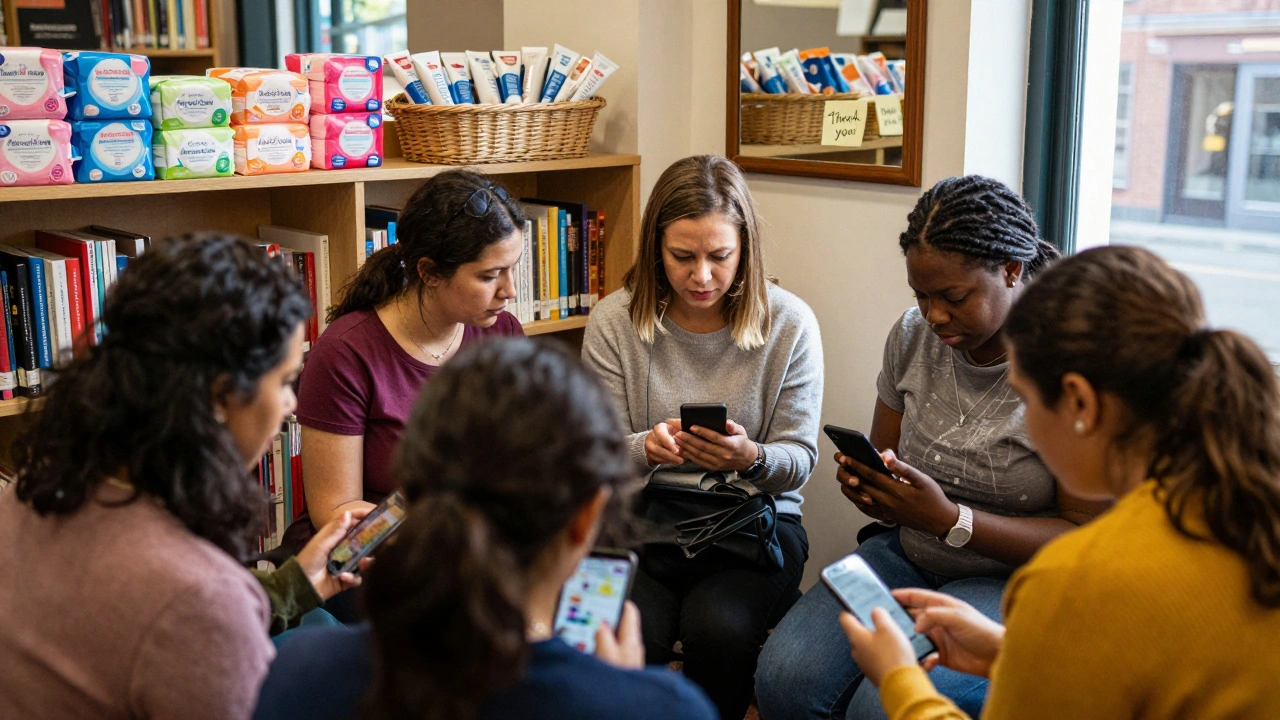
- St. John’s Wood Library (Jamaica Road) - A hidden gem. Free, open weekdays until 7pm, and always stocked with sanitary products. The librarian keeps a basket of wipes and hand cream for visitors. No one talks about it, but everyone who’s found it swears by it.
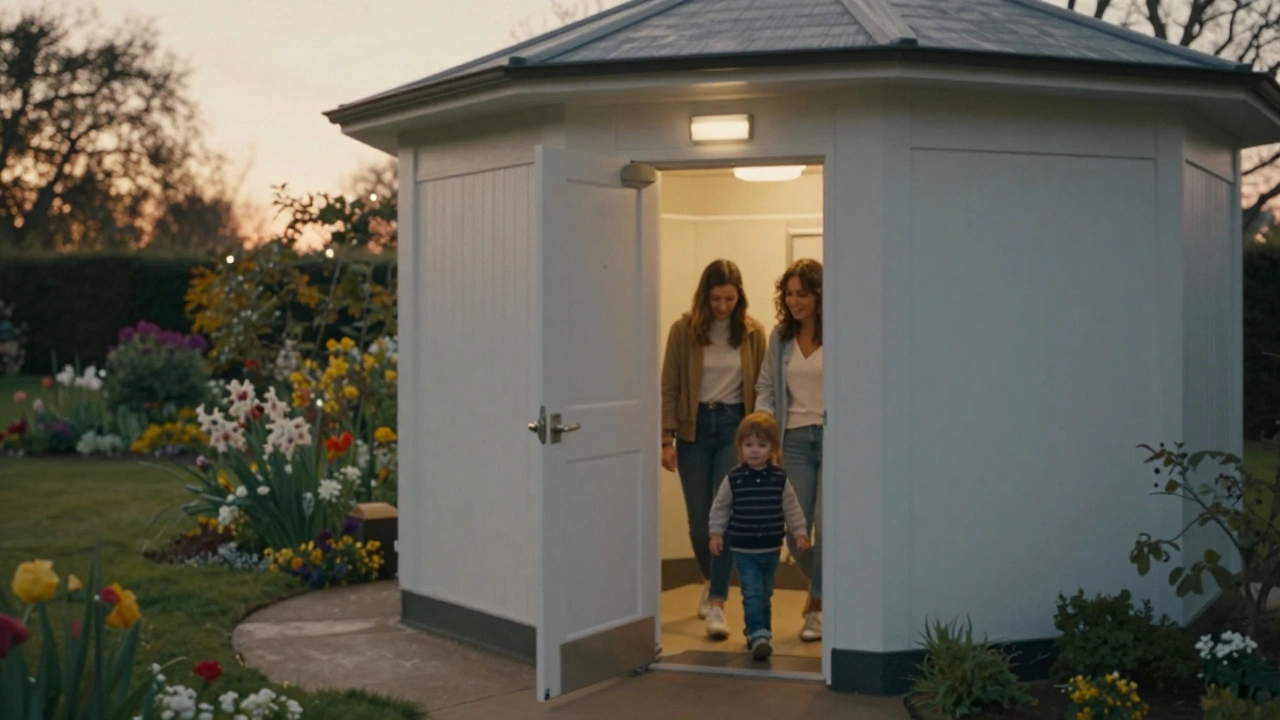
- Greenwich Park Pavilion - Outside, near the天文台. Open from sunrise to sunset. Clean, well-lit, with a small garden area outside. Perfect for families. Parents say it’s the only place where their kids don’t scream after using the toilet.
What Makes a Bathroom “Tour-Worthy”?
It’s not about marble counters or fancy air fresheners. People on the tour care about five things:
- Availability - Is it open? Really? Not just on the map, but today? Many listed toilets are locked or under repair.
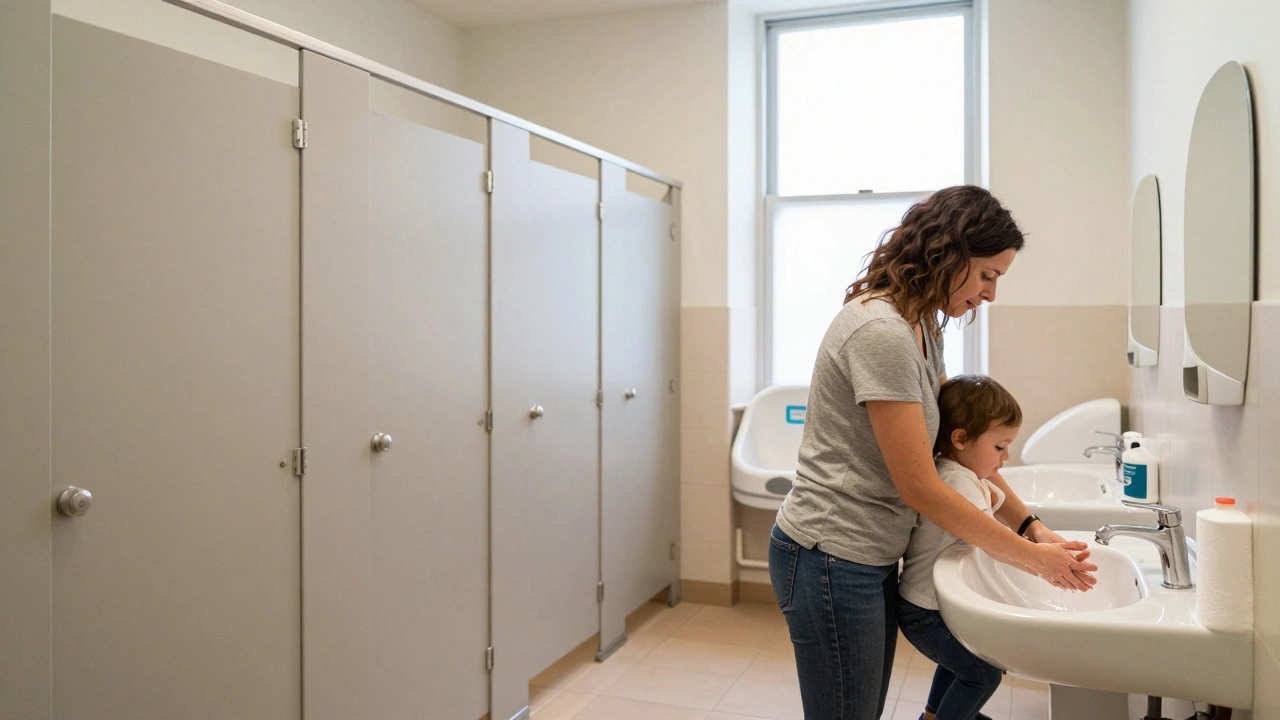
- Hygiene - No sticky floors, no overflowing bins, no lingering odor. A quick wipe-down matters more than a gold-plated tap.
- Accessibility - Can a stroller fit? Is there a baby changing table? Are the doors wide enough for wheelchairs?
- Supplies - Soap, paper towels, and sanitary products aren’t luxuries-they’re necessities. If you have to bring your own, it’s not a solution.
- Safety - Well-lit, no hidden corners, no loiterers. For women and teens, this is non-negotiable.
One user summed it up: “I don’t care if it’s a palace. I care if I can walk in, do what I need to do, and leave without feeling like I’ve been through a war.”
How to Join the Tour
You don’t need a guidebook. You don’t need to pay. You just need to share.
Start by downloading the free app “LooFinder” (available on iOS and Android). It’s not perfect, but it’s the most updated crowd-sourced map of London’s public toilets. Users tag each location with photos, notes, and real-time status: “Open,” “Out of Order,” “No Soap,” “Baby Change Available.”
Or just follow #GirlsBathroomTourLondon on Instagram. People post photos with captions like:
- “Found this in Peckham Rye Park. Fresh towels. No weird smells. Thank you, whoever cleaned it.”
- “My 4-year-old cried when we left this one. It had a little stool for her to reach the sink.”
- “I used this after my colostomy surgery. The attendant brought me a fresh gown. I cried. Not because it was fancy. Because someone saw me.”
It’s not about the toilet. It’s about being seen. Being cared for. In a city of 9 million people, that matters.
What’s Missing
There are still huge gaps. North London has almost no reliable options. The same goes for areas like Barking, Croydon, and Lewisham. Many libraries and community centers have closed their restrooms to the public. And while some chain cafés like Pret and Costa allow non-customers to use their toilets, others post signs that say “Staff Only.”
Local councils are starting to take notice. In 2025, Camden Council launched a pilot program to install 12 new “clean restrooms” in high-footfall areas, with solar-powered lighting and 24/7 maintenance alerts. It’s a start. But it’s not enough.
Until then, the tour lives on-because someone, somewhere, needs to know where they can go without fear.
Pro Tips for the Tour
- Always carry a small pack of tissues and hand sanitizer. Even the best spots run out.
- Visit during off-peak hours. Lunchtime and weekends are chaos. Weekday mornings are quietest.
- Don’t assume a “public toilet” sign means it’s open. Call ahead if you can. Many have phone numbers posted.
- If you find a good one, leave a note. A sticky note on the mirror saying “Thank you!” makes a difference.
- Teach your kids to look for the little details: paper towels, soap, a clean floor. It’s not just about function-it’s about respect.
London isn’t known for its public restrooms. But thanks to the quiet, persistent work of thousands of women sharing their finds, that’s starting to change. The Girls Bathroom Tour London isn’t glamorous. But it’s necessary. And it’s working.
Are there any free public bathrooms in London?
Yes, but they’re rare. Some libraries, museums (like the V&A), and parks have free, clean restrooms open to the public. Transport for London stations have a few, but many are closed. Always check real-time updates on apps like LooFinder before relying on one.
Can I use a café’s bathroom without buying anything?
It depends. Chains like Pret, Costa, and Starbucks usually allow it, especially if you’re polite. Independent cafés may say no. Some have signs saying “Customers Only.” If you’re unsure, ask: “Could I use your restroom, even if I’m not buying anything?” Most say yes.
Are baby changing facilities common in London bathrooms?
Not everywhere. Major attractions like museums, train stations, and big department stores (Liberty, Selfridges) usually have them. Smaller shops, pubs, and older buildings often don’t. Always check the LooFinder app before heading out with a baby. It tags every location with baby change info.
Why do so many public bathrooms in London smell bad?
It’s mostly due to poor maintenance. Budget cuts led to fewer cleaners, broken ventilation systems, and infrequent restocking. Many toilets are used by hundreds of people daily and aren’t cleaned properly. Some are even used as shelter by homeless individuals, which worsens hygiene. The good ones are kept clean because someone cares-often a staff member who takes pride in it.
Is the Girls Bathroom Tour London only for women?
No. While the movement started with women and caregivers, anyone who needs a clean, safe bathroom can benefit. Parents, people with medical conditions, elderly visitors, and even men who’ve had bad experiences with public restrooms use the list. It’s about dignity, not gender.
If you’ve found a good one, share it. If you’ve had a terrible experience, tell someone. Because in a city this big, no one should have to hold it in because they don’t know where to go.