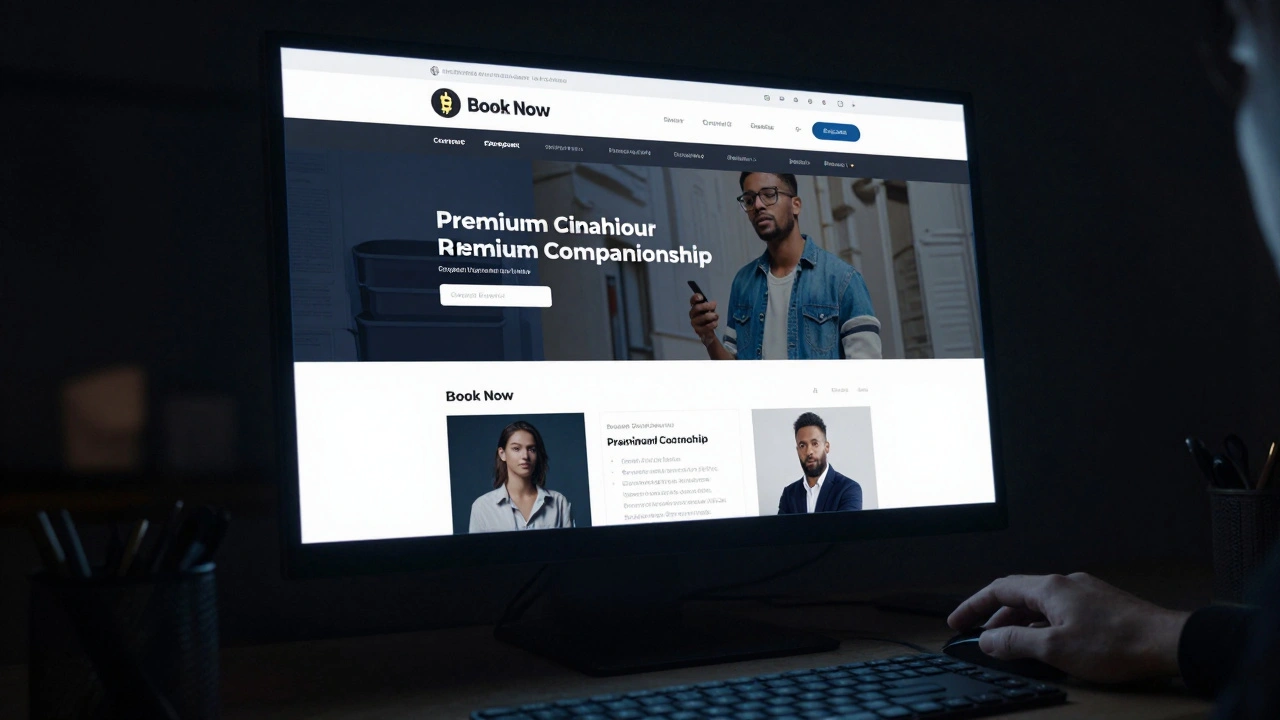
Searching for "online booking sex girls" usually means someone is looking for companionship or intimate services through digital platforms. But before you click "book now," it’s important to understand what you’re really getting into - legally, safely, and realistically.
What Online Booking for Sex Girls Actually Means
When people search for "online booking sex girls," they’re often referring to websites or apps that connect clients with individuals offering paid companionship, sometimes including sexual services. These platforms may call themselves "escort services," "companionship agencies," or "personal dating networks." But behind the polished photos and professional-sounding profiles, many operate in legal gray areas - or outright illegally.
In the UK, prostitution itself isn’t illegal, but many related activities are. Soliciting in a public place, running a brothel, pimping, or advertising sexual services online can all lead to criminal charges. That’s why most sites you’ll find don’t say "sex" outright. They use coded language like "companionship," "time together," or "premium services."
How These Websites Work
Typical booking platforms work like this:
- You visit a site - often with flashy images and testimonials.
- You browse profiles with names, ages, locations, and "services offered."
- You contact the person or agency via chat or form.
- You negotiate price, time, and location - often through encrypted messaging.
- You pay upfront, usually via cryptocurrency, bank transfer, or gift cards.
- You meet in person - sometimes at a hotel, sometimes at their place.
Many of these services claim to be "independent" - meaning the person isn’t part of an agency. But in reality, most are managed by third parties who take 30-70% of the earnings, control scheduling, and handle all communications. The person you meet may have little to no control over the terms.
Why This Is Risky - Even If It Seems Safe
People think they’re being careful if they use a website with reviews or pay upfront. But here’s what rarely gets mentioned:
- Scams are common. You pay, then get ghosted. Or you’re sent to a different person than advertised.
- Underage individuals are targeted. Some profiles are fake or use photos of minors. Law enforcement actively monitors these sites for exploitation.
- Personal data is stolen. Payment info, photos, and messages can be leaked or sold on dark web markets.
- You could be recorded. Hidden cameras or blackmail schemes are not rare. Some victims are threatened with public exposure.
- Legal consequences follow you. Even if you don’t get arrested, police databases track online activity. Future visa applications, jobs, or background checks can be affected.
A 2024 report by the UK National Crime Agency showed that over 60% of online escort ads they investigated were linked to organized crime networks. Many of the women listed were trafficked or coerced. The idea of a "willing, independent worker" is often a myth sold to make clients feel better.

What You’ll Actually Get
Don’t expect a romantic evening. Most encounters last 30-90 minutes. The atmosphere is transactional - you show up, pay, do what you paid for, and leave. There’s no emotional connection, no follow-up, no guarantee of safety.
Many women working in this space are in desperate situations - debt, homelessness, addiction, or fleeing abuse. The money might seem like a way out, but the risks far outweigh the pay. And the people profiting the most aren’t the women - they’re the site operators, photographers, and middlemen.
Legal Alternatives That Actually Work
If you’re looking for companionship, intimacy, or connection, there are safer, legal options:
- Therapy or counseling - Many people seek sex because they feel lonely. A licensed therapist can help you work through that.
- Dating apps - Hinge, Bumble, and Tinder are designed for real connection. It takes time, but it’s worth it.
- Community groups - Meetups, hobby clubs, volunteering - these are real ways to build relationships.
- Sex education resources - If you’re unsure about intimacy, books like Come As You Are by Emily Nagoski offer science-backed guidance.
There’s no shame in wanting closeness. But paying for it online doesn’t fix loneliness - it just hides it behind a screen.

What to Do If You’ve Already Booked
If you’ve already paid or met someone:
- Stop all communication immediately.
- Don’t share any more personal info - photos, addresses, bank details.
- Save screenshots if you suspect fraud or coercion.
- Report the site to the UK National Crime Agency via their online portal.
- If you feel threatened or blackmailed, contact the police or a charity like NSPCC or Refuge.
You’re not alone. Thousands of people have been scammed or trapped in these situations. Getting help is not weakness - it’s survival.
Final Thoughts
Online booking for sex girls sounds simple. But it’s anything but. Behind every ad is a system built on exploitation, risk, and legal danger. What looks like a quick fix can become a life-altering mistake.
There are better ways to feel connected, desired, and safe. They take more time. They don’t come with instant gratification. But they last.
Is it legal to book sex girls online in the UK?
No, it’s not legal to book sexual services through online platforms in the UK. While prostitution between consenting adults isn’t illegal, advertising, pimping, brothel-keeping, and paying for sex through third-party websites are all criminal offenses under the Sexual Offences Act 2003. Many sites are shut down by police, and users can be investigated.
Can I get arrested for booking an escort online?
Yes. Police actively monitor online escort ads and payment transactions. Even if you don’t meet anyone, simply searching, contacting, or paying for services can trigger an investigation. In recent years, dozens of men in London have been prosecuted for attempting to pay for sex through online platforms.
Are the women on these sites really choosing this work?
Some say they are, but research from the University of Bristol and the UK Home Office shows that over 70% of women in online escort services were coerced, trafficked, or financially trapped. Many start with promises of high pay and independence, then find themselves controlled by managers, debt, or threats. The idea of "choice" is often manufactured by the system.
How do I know if a site is a scam?
Red flags include: no verifiable contact info, only WhatsApp or Telegram communication, requests for cryptocurrency or gift cards, refusal to video call before meeting, and identical photos used across multiple profiles. Legitimate services don’t operate this way - they’re transparent and professional.
What should I do if I’m being blackmailed after booking?
Do not pay more. Do not respond. Save all messages and screenshots. Contact the UK National Cyber Security Centre (NCSC) or call the police on 101. If you’re in immediate danger, call 999. Organizations like the National Society for the Prevention of Cruelty to Children (NSPCC) and the Human Trafficking Foundation offer free, confidential support.