When you hear the phrase London call girls 1980, you might picture glamorous women in sequins, luxury cars, and secret phone numbers whispered in Soho pubs. But the truth was far messier, darker, and more human than any movie or novel suggests. In 1980, London wasn’t just a city of punk rock and Thatcherism-it was also a place where survival, desperation, and quiet resilience shaped the lives of women working the streets and the phone lines. This isn’t about fantasy. It’s about what actually happened.
The Numbers Didn’t Add Up
No official records tracked call girls in 1980. Police didn’t classify them separately from street workers. The Home Office estimated 15,000 to 20,000 sex workers in Greater London that year, but that included everyone-streetwalkers, bar workers, massage parlour staff, and those who took calls from private numbers. The actual number of women advertising as "call girls"-those who worked from flats, used phone lines, and avoided the streets-was likely under 2,000. Most were based in Westminster, Kensington, and the edges of Soho. They weren’t everywhere. They weren’t even common. But they were visible enough to become myth.
How They Operated
There were no apps. No websites. No Instagram profiles. If you wanted to book a call girl in 1980, you either knew someone who knew someone, or you found a number in one of the underground magazines like International Times or City Limits. Some ads were discreet: "Discreet companionship for gentlemen. Confidential service. London-wide." Others were more direct: "Ex-model, 24, available evenings. No nonsense."
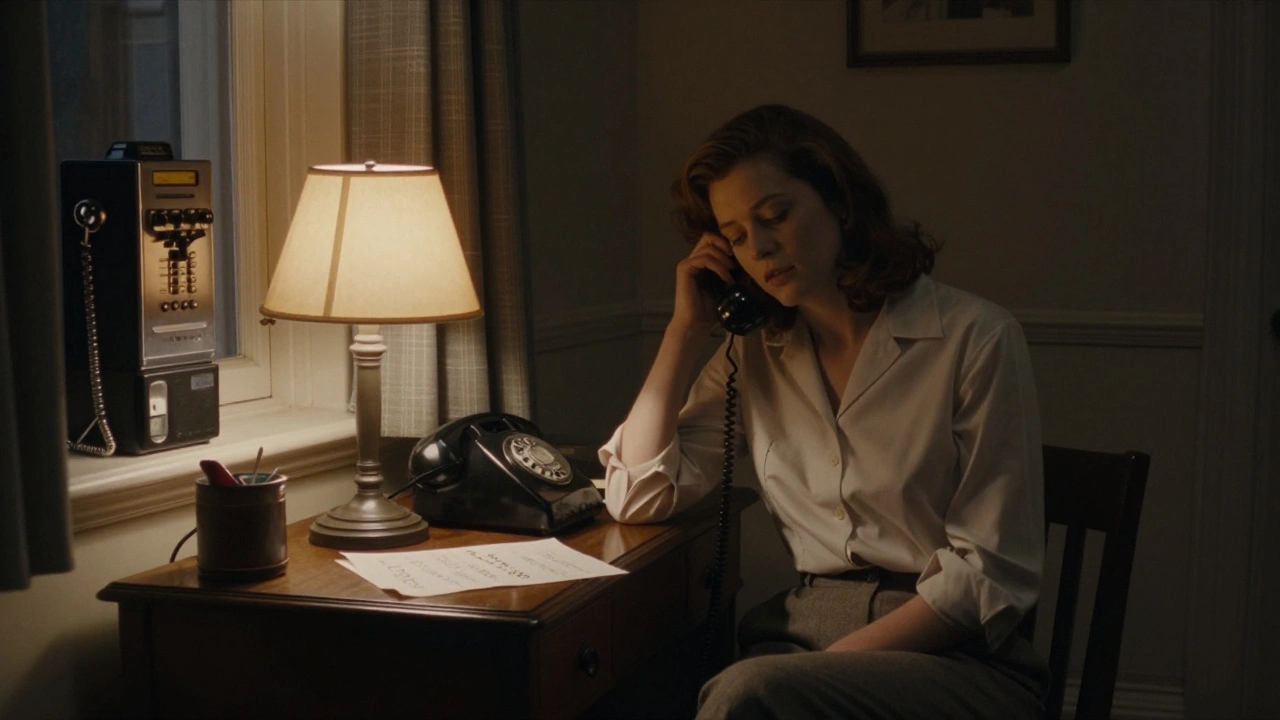
Most women worked alone. A few had managers-often ex-pimps or former clients-who handled bookings, collected money, and arranged transport. But the majority paid for their own phones, rented flats under false names, and cleaned up after themselves. Many used payphones to return calls, so their home numbers stayed hidden. Some had multiple aliases. One woman, interviewed anonymously in 1982 by a journalist from The Guardian, said she went by "Claire," "Sophie," and "Linda" depending on who was calling. "You don’t want to be found," she told him. "Not if you want to keep your kids."
Who Were They?
They weren’t all from wealthy backgrounds. Most came from working-class families. Some were single mothers. Others had fled abusive relationships. A few were students-university women who needed rent money after their grants ran out. There were also women from Eastern Europe, the Caribbean, and South Asia, often arriving with little English and fewer options. A 1981 report by the London Women’s Aid Network found that 42% of women in sex work had experienced domestic violence before entering the trade.
Age ranged from late teens to mid-forties. The "call girl" label often meant someone who looked presentable, spoke well, and didn’t work the streets. That didn’t mean safety. Many were robbed. Some were assaulted. A few disappeared. In 1980, the Metropolitan Police recorded 17 unsolved murders of women linked to sex work in London. No one called them "call girls" in the reports. They were just "prostitutes."
The Myth of the Elite
There were stories-always stories-about women who charged £500 a night and dined at the Ritz. Those were rare. £500 in 1980 was nearly £3,000 today. Very few women made that kind of money. Most charged between £20 and £80 per hour. Adjusted for inflation, that’s £100 to £400 today. The women who earned more usually had connections: former models, actresses, or those with wealthy patrons who paid for long-term companionship. But even then, it wasn’t luxury. It was transactional survival.
What made someone a "call girl" wasn’t wealth. It was discretion. A clean flat. A good phone. No visible scars. No loud behaviour. No police attention. That was the real currency.
Police, Politics, and the Law
In 1980, prostitution itself wasn’t illegal in the UK-but soliciting, kerb-crawling, and running brothels were. That created a legal gray zone. A woman could legally take money for sex in her own home. But if two women shared a flat and took clients? That was a brothel. If she answered the phone in her flat and a client came over? Legal. If she walked down the street and offered? Illegal.
The police mostly ignored call girls unless there was a complaint. They focused on street workers, who were easier to arrest and easier to control. In 1980, over 80% of sex work arrests in London were of women on the street. Call girls were rarely touched. Not because they were protected. But because they were quiet. And quiet people don’t make headlines.
The Media and the Moral Panic
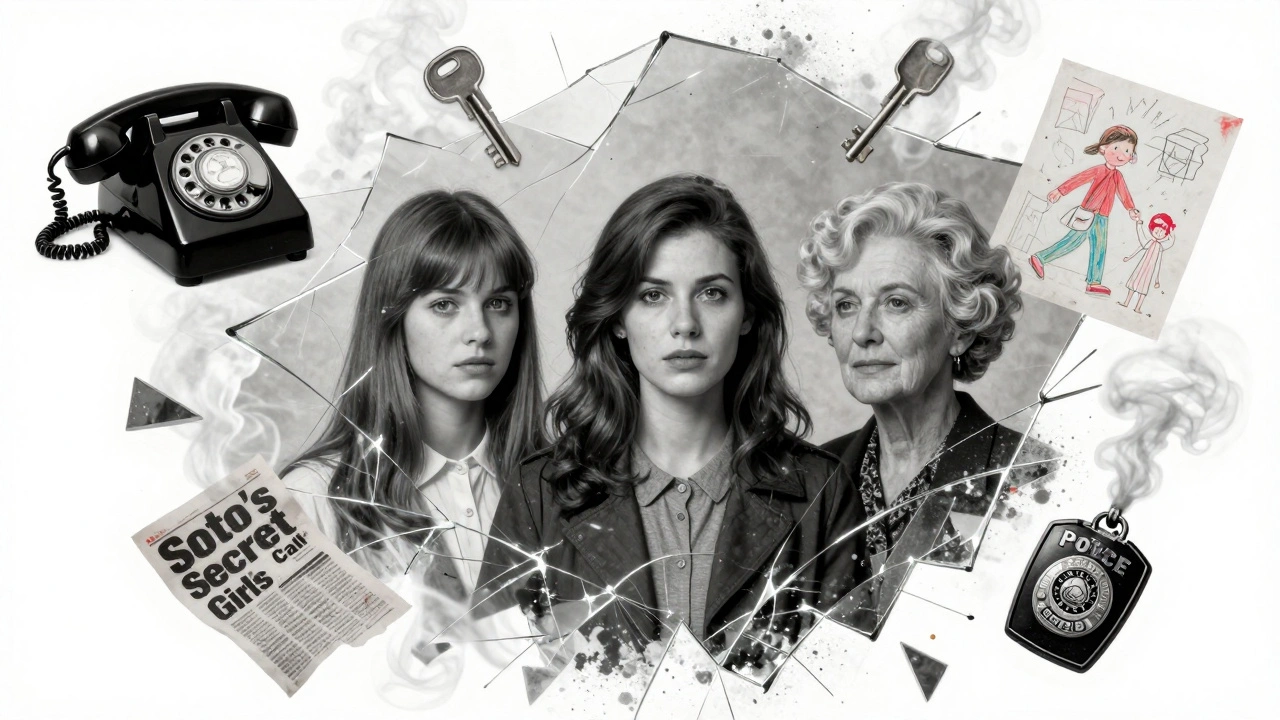
1980 was the year The Sun ran a front-page story: "Soho’s Secret Call Girls: How Rich Men Buy Innocence." It was sensational. It named no names. It showed no photos. But it created panic. Local councils started pushing for "clean-up" operations in Kensington. Landlords began evicting tenants suspected of hosting clients. One woman in Fulham lost her flat after a neighbour called the police because she had "too many men coming in at night."
The media didn’t care about the women. They cared about the idea of corruption. About rich men. About moral decay. About the breakdown of family values. The women themselves? They were ghosts in the story. Invisible. Unnamed. Unheard.
What Happened to Them?
Some left. By 1985, many had moved into other work-receptionist jobs, secretarial roles, even nursing. Others stayed. A few turned to drugs. A handful died. No one kept a proper count.
One woman, who went by "Mandy" in interviews, moved to Brighton in 1983. She got a job at a travel agency. Married a man she met at a coffee shop. Had two kids. She never told them what she did in London. "I didn’t want them to think I was broken," she said in a 2007 documentary. "I just wanted to be their mum."
The Legacy
Today, if you search for "London call girls 1980," you’ll find blogs, conspiracy theories, and old newspaper clippings. Most of it’s wrong. The truth isn’t glamorous. It’s not even dramatic. It’s quiet. It’s in the records no one kept. In the voices that never made it into the papers. In the women who changed their names, moved away, and never looked back.
What remains is a warning: when society ignores the humanity of people in the margins, it doesn’t just fail them-it erases them. The call girls of 1980 weren’t symbols of decadence. They were people trying to survive in a city that didn’t want to see them. And that’s the only legacy that matters.